

As a city manager, you are tasked with making decisions that ensure the long-term health and efficiency of your municipality's infrastructure. Upgrading foundational components like manhole systems might seem like a significant upfront expenditure, but understanding the return on investment is key to securing approval and demonstrating fiscal responsibility. Partnering with leaders like SuperCover allows cities to transform essential services, moving from reactive repairs to proactive, sustainable solutions. This guide will help you navigate the process of evaluating the true long-term value of these critical infrastructure enhancements.
Understanding the True Cost of Neglect
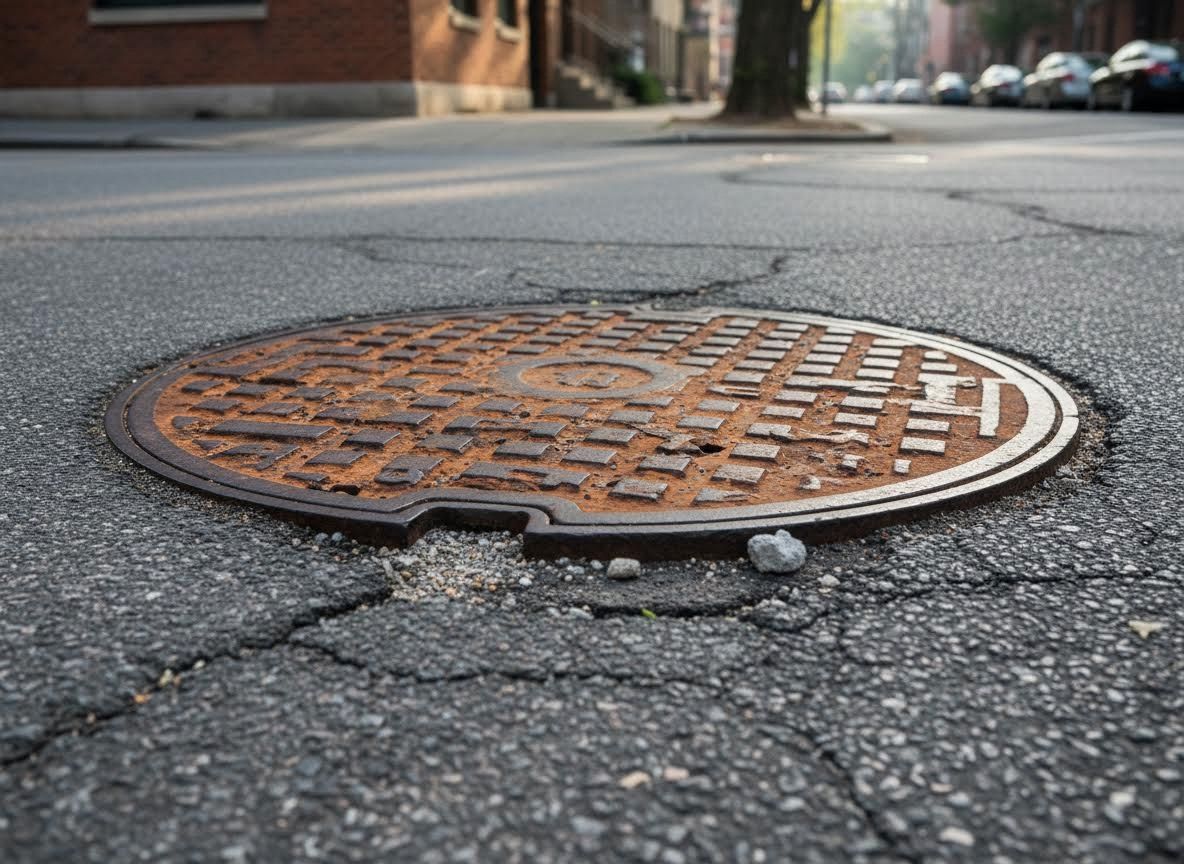
Outdated or failing sewer covers are more than just an eyesore; they pose significant operational, financial, and safety risks. Traditional cast iron sewer covers are heavy, prone to corrosion, and often require frequent maintenance due to wear and tear or theft. These issues translate directly into increased labor costs, material replacement expenses, and potential liabilities from accidents or road damage. Furthermore, compromised covers can lead to infiltration and inflow, overwhelming treatment plants and increasing the risk of sanitary sewer overflow incidents, which carry hefty fines, environmental damage, and public health concerns. Recognizing these hidden costs is the first step in building a strong case for upgrading.
The Advantages of Modern Materials
Investing in advanced materials, particularly composite manhole covers, offers a clear path to long-term savings and improved performance. Unlike their traditional counterparts, composite manhole covers are significantly lighter, making them safer for crews to handle and reducing the risk of injury. Their inherent resistance to corrosion from chemicals, weather, and traffic extends their lifespan dramatically, minimizing the need for frequent replacements. Additionally, modern designs often incorporate enhanced security features to deter theft and prevent unauthorized access, further safeguarding your infrastructure. These attributes directly contribute to a substantial reduction in ongoing maintenance costs and a notable improvement in public and worker safety.
Quantifying Your Investment: Calculating Tangible and Intangible ROI
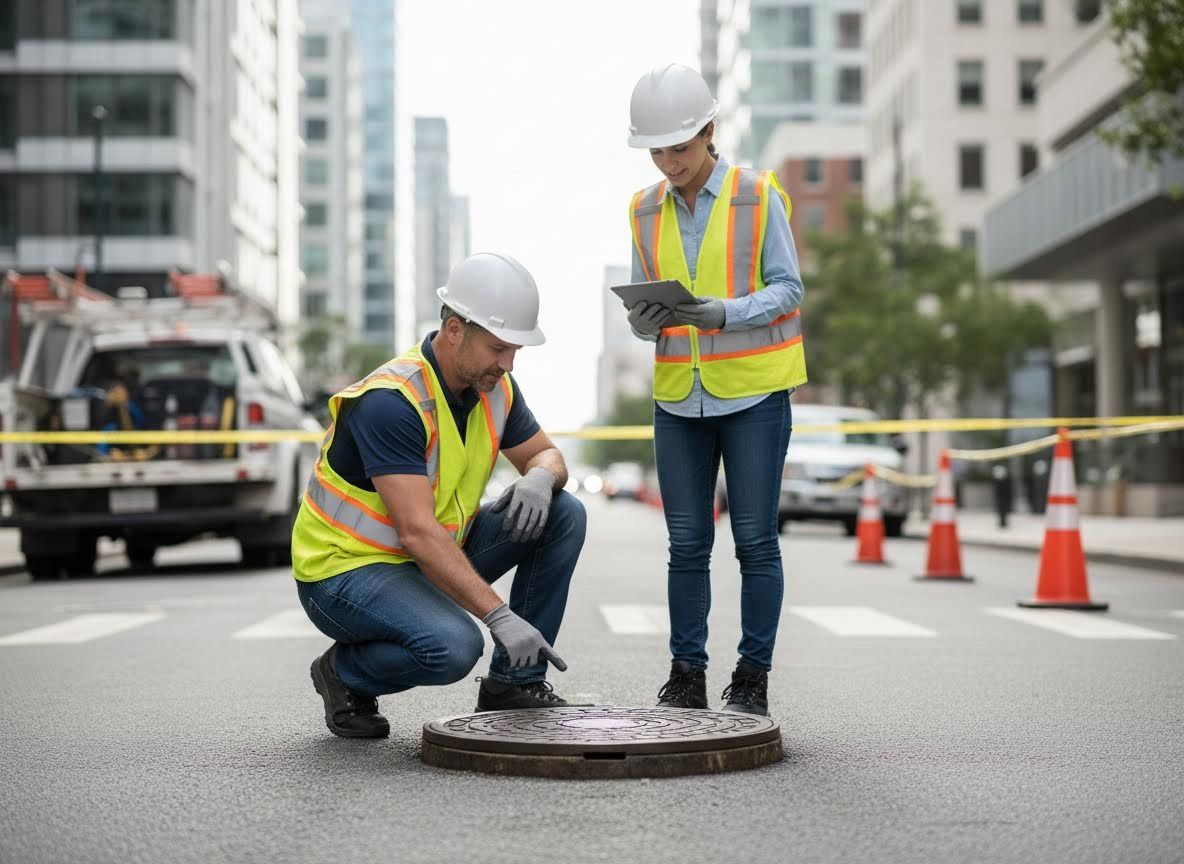
To calculate the long-term return on investment for manhole upgrades, city managers should consider both tangible and intangible benefits. Tangible savings include reduced labor hours for maintenance and repair, decreased material costs due to extended product lifespan, and avoidance of fines associated with environmental incidents like sanitary sewer overflow. For example, quantifying the average annual cost of maintaining traditional sewer covers versus the minimal maintenance required for composite solutions provides a clear financial comparison. Intangible benefits, though harder to assign a precise dollar value, are equally important. These include enhanced public safety, reduced liability from accidents, improved environmental protection, and a positive public image for proactive infrastructure management. By factoring in these comprehensive benefits over the expected lifespan of the new installations, a compelling ROI narrative emerges.
Proactive investment in infrastructure, especially with elements as critical as manhole systems, is a hallmark of responsible city management. By meticulously evaluating the costs of neglect against the comprehensive benefits of modern solutions, particularly those involving advanced composite manhole covers, city managers can achieve substantial long-term savings and enhance community well-being. Understanding the complete picture of ROI empowers you to make informed decisions that benefit your city for decades to come. To explore how durable and efficient solutions can transform your city's infrastructure, we invite you to learn more about SuperCover's innovative offerings by contacting us today.