

Inflow and infiltration (I&I) are silent but significant contributors to rising operational costs for municipal wastewater systems. This phenomenon, where extraneous water enters sewer pipes and systems, dilutes raw sewage, burdens infrastructure, and inflates treatment expenses. For communities striving for efficiency and fiscal responsibility, understanding and addressing I&I is crucial. SuperCover recognizes the challenges municipalities face and is committed to providing solutions that help manage these often-overlooked expenditures.
Understanding Inflow and Infiltration's Impact
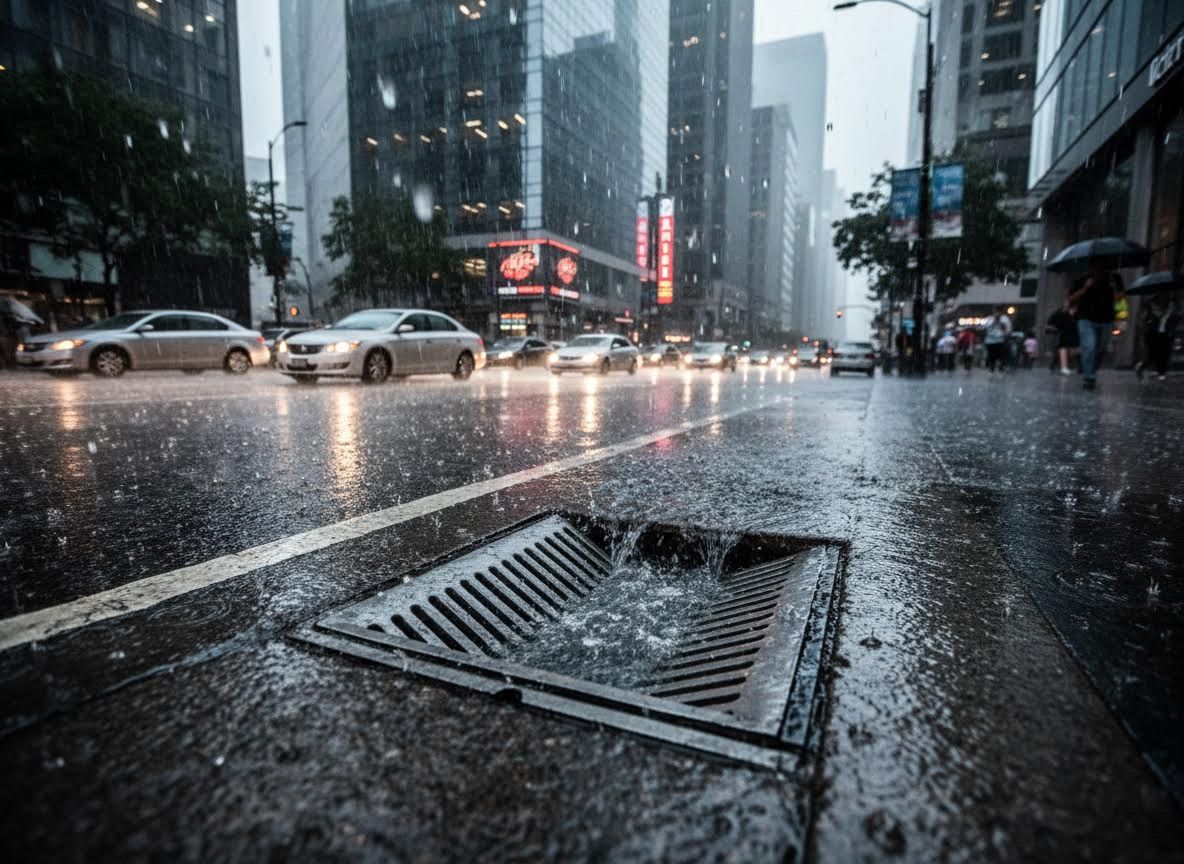
Inflow refers to stormwater that enters the sewer system directly through illicit connections, catch basins, downspouts, or poorly sealed sewer covers. This is often a sudden surge of water during heavy rain events. Infiltration, on the other hand, is groundwater that seeps into sanitary sewers through cracks, leaky joints, or deteriorated pipes. Both inflow and infiltration significantly increase the volume of water flowing to wastewater treatment plants, even though this water doesn't require treatment for pollutants. This excess volume leads to a cascade of costly problems, from increased pumping to potential sanitary sewer overflow challenges.
The Financial Burden on Municipal Budgets
The financial implications of unchecked I&I are substantial. Municipalities face higher electricity costs for pumping this extra water, increased chemical usage for treatment, and accelerated wear and tear on pumps and other equipment. Furthermore, diluted wastewater means treatment plants must process a greater volume to achieve the same effluent quality, leading to higher operational expenses per gallon of actual sewage treated. In extreme cases, chronic I&I can necessitate costly infrastructure upgrades, such as upsizing pipes or expanding treatment plant capacity, prematurely draining municipal capital budgets. Regulatory agencies often impose fines for sanitary sewer overflow events, directly impacting financial stability.
Common Entry Points and Prevention Strategies
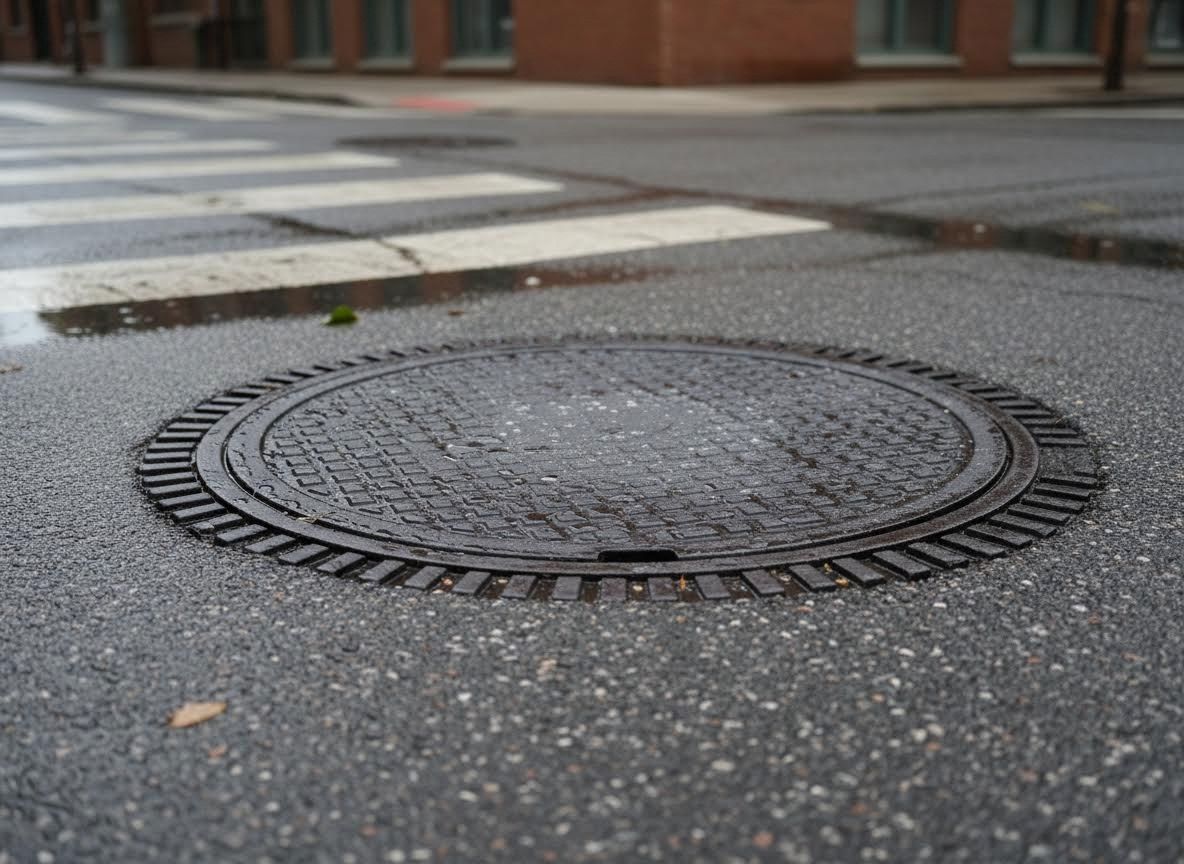
I&I can enter the sewer system through various points, making a comprehensive approach to mitigation essential. Common culprits include cracked or broken pipes, faulty service laterals connecting properties to the main sewer line, and improperly sealed or damaged manholes. Deteriorated sewer covers and frames are significant entry points for both surface water (inflow) and groundwater (infiltration). Implementing robust preventative measures, such as routine pipe inspection and rehabilitation programs, identifying and correcting illegal connections, and upgrading to high-quality, watertight composite manhole covers, are critical steps. These measures help seal the system from external water, reducing the volume processed and safeguarding infrastructure.
Addressing inflow and infiltration is a critical investment for any municipality looking to optimize its wastewater management and protect its financial health. By understanding the causes and implementing proactive, durable solutions, communities can significantly reduce operational costs, extend the life of their infrastructure, and ensure a reliable sanitary sewer overflow solution. Learn more today by contacting the team at SuperCover.