
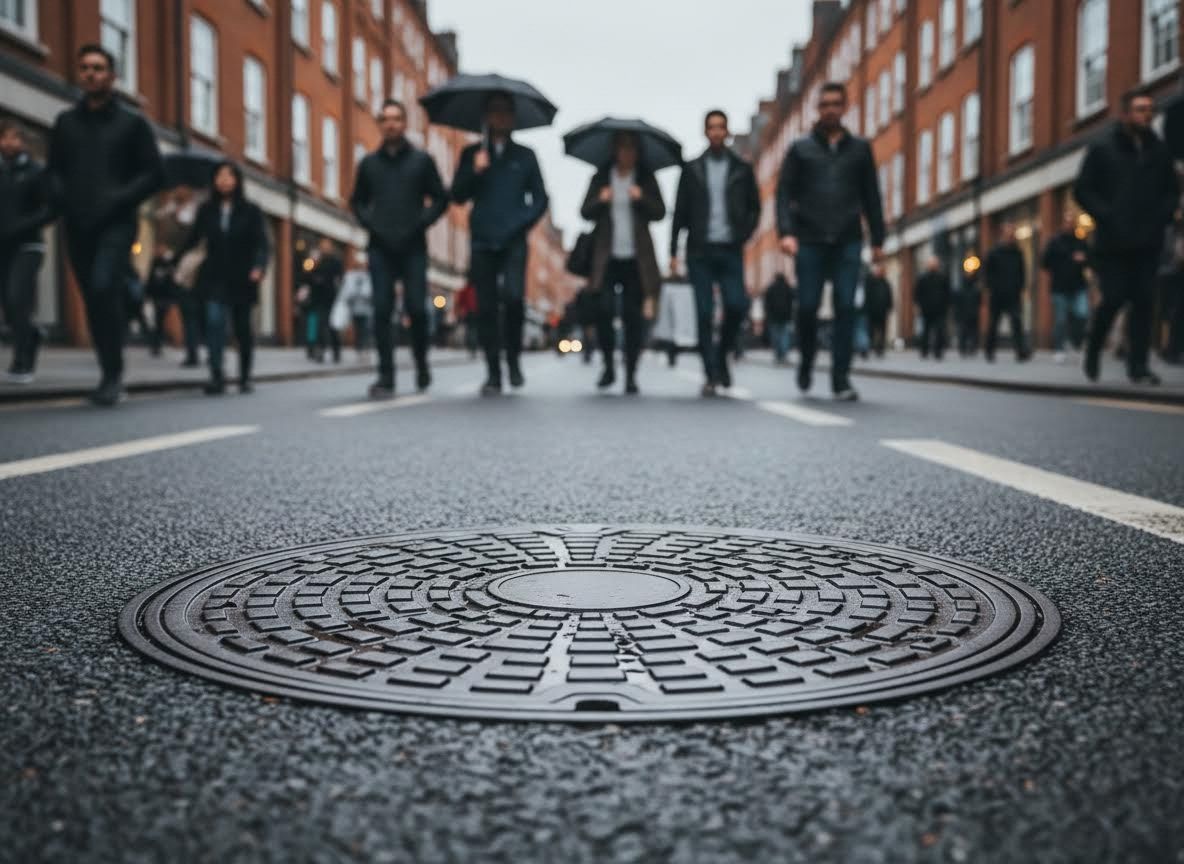
Ensuring public safety is a paramount concern for municipalities, especially regarding the integrity of urban infrastructure where pedestrians frequently traverse. Slick surfaces, particularly around utility access points, pose significant slip-and-fall hazards that can lead to injuries and considerable city liability. SuperCover understands this challenge, offering advanced solutions designed to protect citizens and mitigate risk through innovative anti-slip technology. This post will explore how modern anti-slip composite covers are becoming an indispensable component in creating safer cityscapes for everyone.
The Slippery Slope of Traditional Materials
For decades, traditional materials like cast iron have been the standard for utility covers across urban landscapes. While durable, these materials can become dangerously slick when wet, covered in ice, or even just from foot traffic polishing their surface over time. This inherent lack of friction presents a substantial risk to pedestrians, leading to falls that can result in serious injuries, extensive medical costs, and potential lawsuits against cities. Managing this risk requires a proactive approach to infrastructure safety, moving beyond reactive measures.

The Superiority of Anti-Slip Composite Technology
The evolution of materials science has brought forth composite manhole covers, a game-changer in urban infrastructure. These advanced covers are engineered with integrated anti-slip textures and materials that maintain superior traction even in adverse weather conditions. Unlike their metallic predecessors, composite materials are not susceptible to corrosion, have excellent insulation properties, and are significantly lighter, making them easier and safer for maintenance crews to handle. Their design directly addresses the core problem of pedestrian safety around utility access points, drastically reducing the likelihood of slip-and-fall incidents.
Enhancing Public Safety and Reducing Municipal Liability
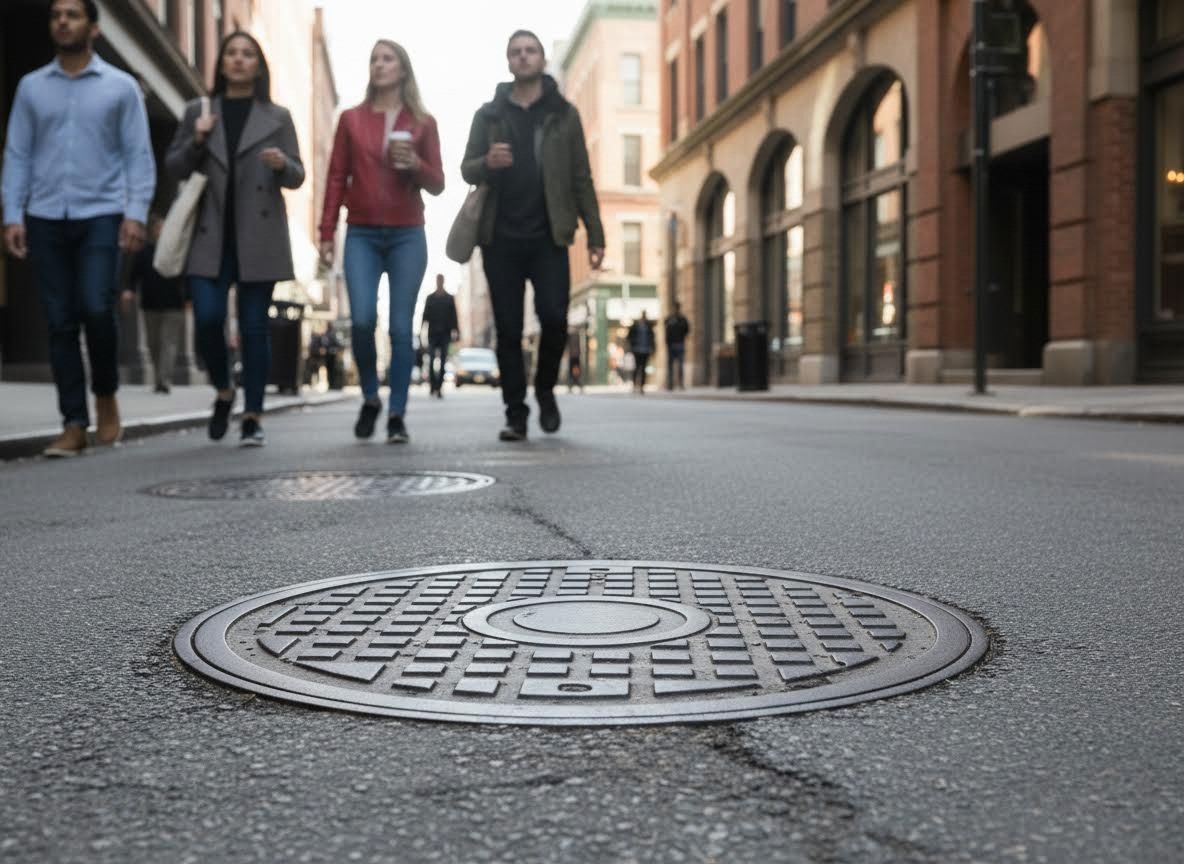
Implementing anti-slip composite covers is a direct and effective strategy for cities to enhance public safety and substantially reduce potential liability. By minimizing the risk of pedestrian injuries, municipalities can avoid costly legal battles, insurance claims, and negative public perception. Furthermore, the durability and low maintenance requirements of these covers contribute to a more efficient infrastructure management system, freeing up resources that would otherwise be spent on repairs or accident-related issues. This preventative approach safeguards both citizens and city budgets.
The adoption of anti-slip composite covers represents a forward-thinking step in urban infrastructure management, offering a clear path to improved pedestrian safety and reduced municipal liability. By investing in these durable and safe solutions, cities can protect their citizens and their resources more effectively. To learn more about robust and safety-focused infrastructure solutions, contact the team at SuperCover today.