
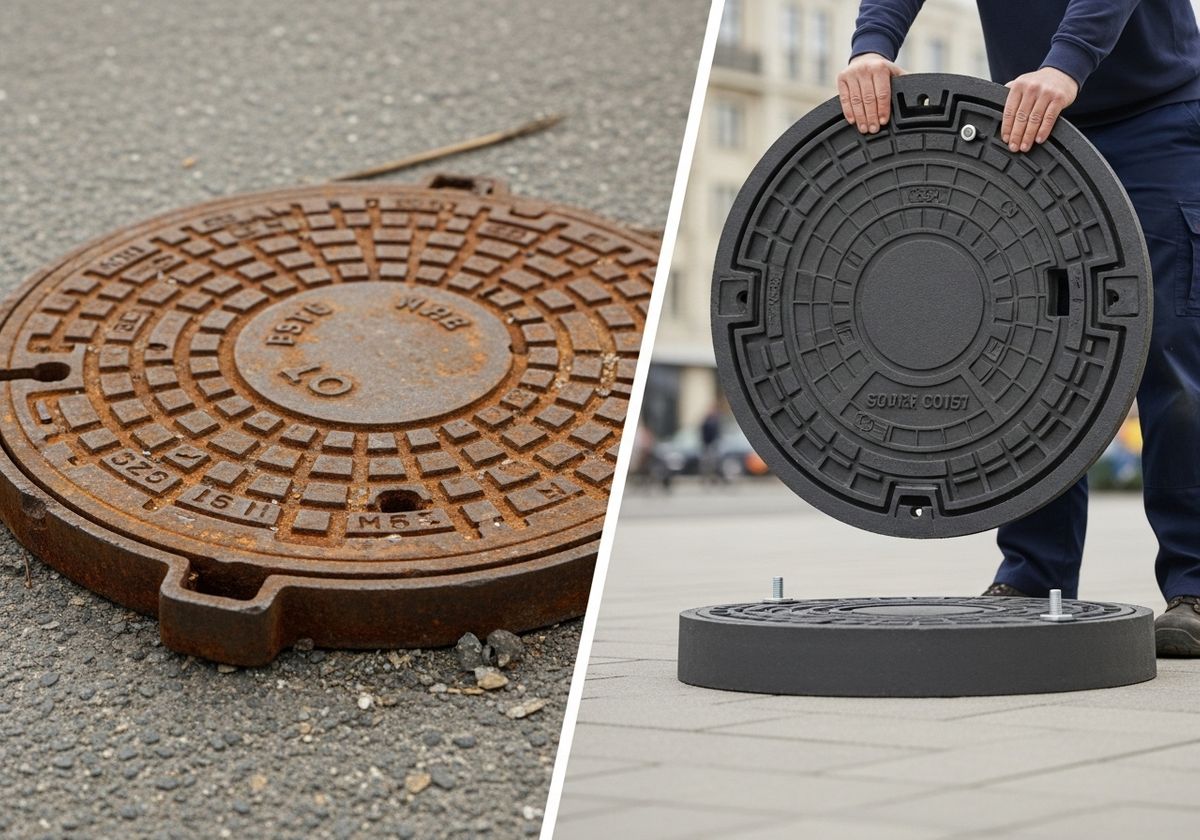
Municipalities face numerous challenges in maintaining their infrastructure, and one critical area is the management of sewer covers. Traditional iron covers have long been the standard, but innovative composite solutions like SuperCover are changing the landscape. Let's explore the key differences and advantages of composite covers versus their traditional iron counterparts.
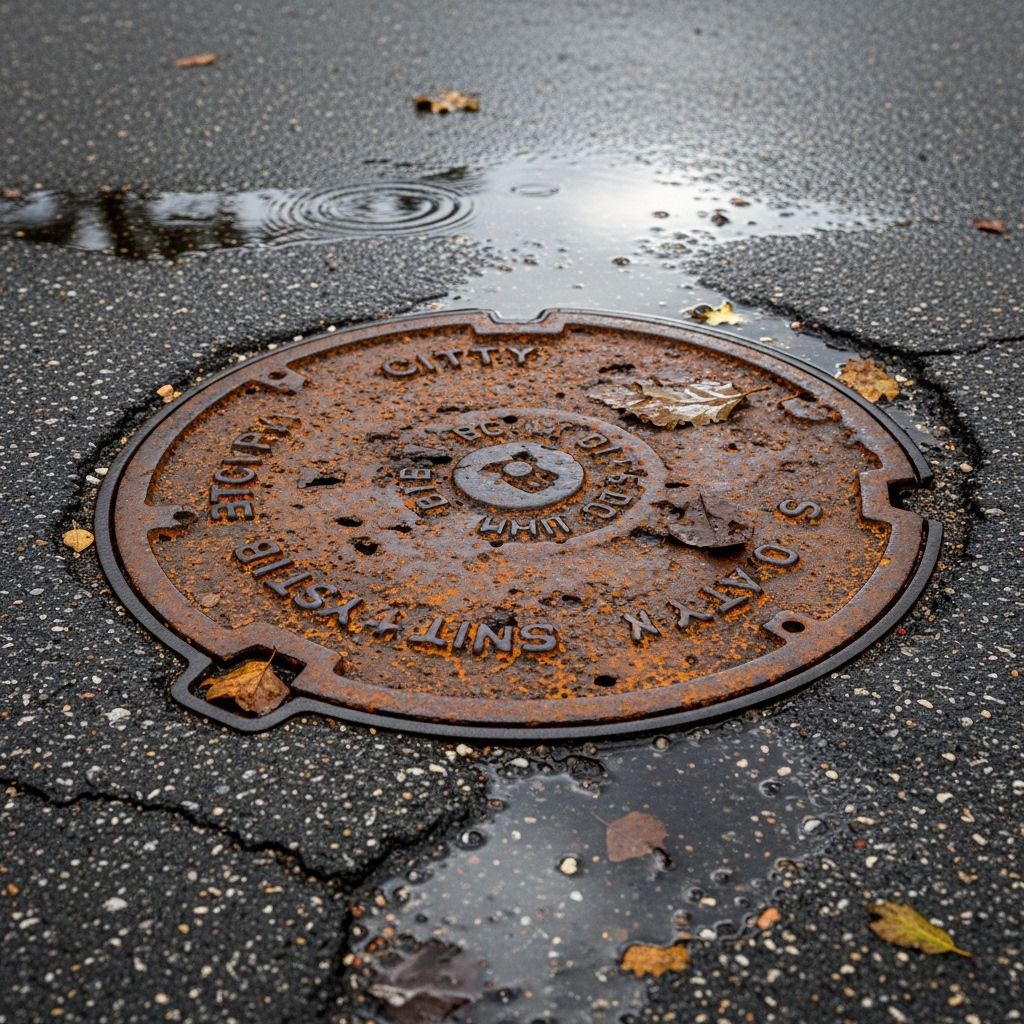
The Problem with Traditional Iron Sewer Covers
For decades, iron sewer covers have been the go-to choice for water and sewage access points. However, they come with a range of drawbacks:
Corrosion: Iron is susceptible to rust and corrosion, especially in the harsh environments often found in wastewater management systems. This can lead to weakened covers and potential safety hazards.
Theft: The scrap value of iron makes these covers a target for theft, leaving open and dangerous holes in roadways and requiring frequent replacements.
Weight: Iron covers are incredibly heavy, posing a safety risk to workers who need to lift and move them for maintenance or inspections.
SSOs and I/I: Traditional iron covers often lack a tight seal, contributing to sanitary sewer overflows (SSOs) and infiltration/inflow (I/I), which can strain wastewater treatment plants.
The SuperCover Solution: Composite Covers
Composite sewer covers, like those offered by SuperCover, provide a superior alternative to traditional iron. These covers are engineered to address the shortcomings of iron while offering enhanced performance and longevity. Here's how:
Corrosion Resistance: Composites are inherently resistant to corrosion, ensuring a long service life even in harsh chemical and moisture-rich environments.
No Scrap Value: Unlike iron, composite covers have no scrap value, deterring theft and saving municipalities the cost of frequent replacements.
Lightweight Design: Composite covers are significantly lighter than iron, making them easier and safer for workers to handle. This reduces the risk of injury and speeds up maintenance operations.
Superior Sealing: SuperCover's composite covers feature a double-gasket seal, which effectively prevents SSOs and reduces I/I, helping municipalities maintain regulatory compliance and reduce treatment costs.
Durability and Strength: Despite being lightweight, composite covers are incredibly strong. SuperCover covers are HS-25 traffic rated, meaning they can withstand heavy loads and constant traffic.
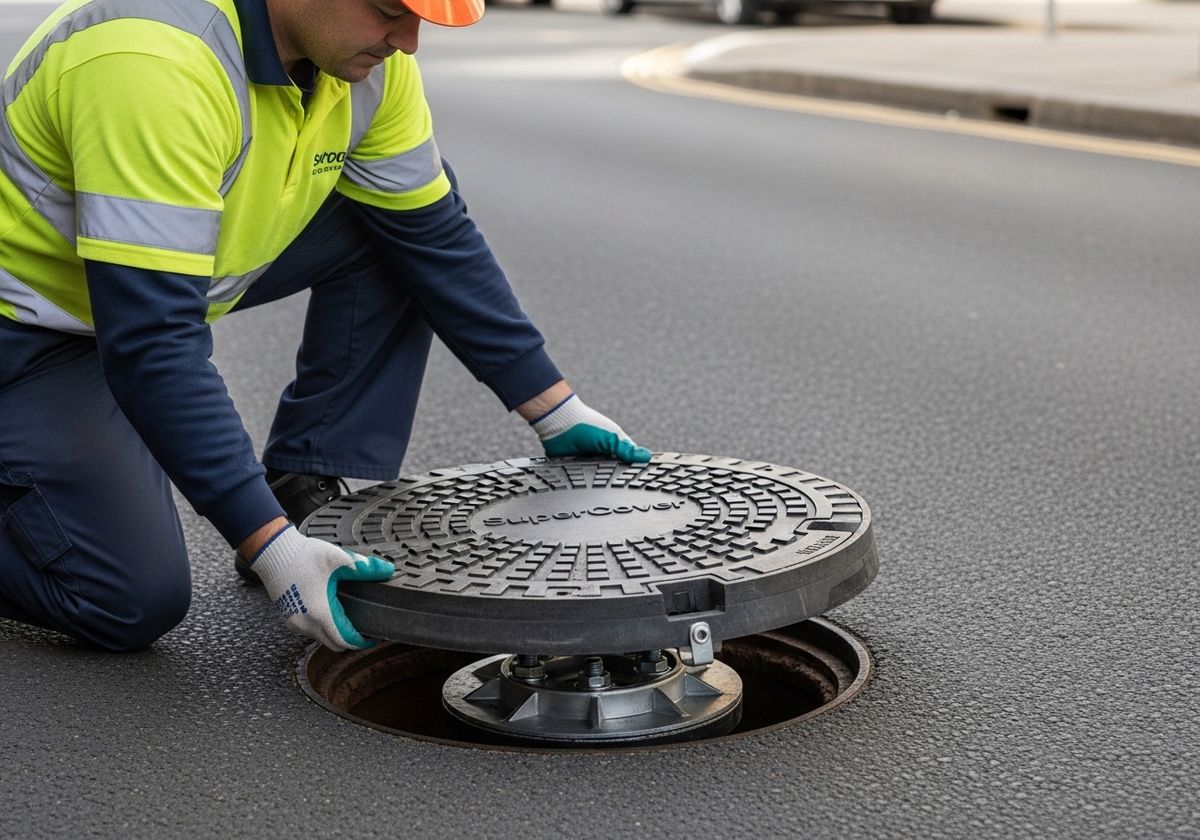
Additional Benefits of SuperCover Composite Covers
Beyond the core advantages, SuperCover offers additional features that make them a smart choice for municipalities:
Anti-Rotation Alignment Tabs: These tabs ensure proper alignment and prevent the cover from rotating under traffic, enhancing safety and stability.
Bolted Safety Dish: This feature provides an extra layer of security, preventing accidental falls into the manhole.
Third-Party Approvals and Testing: SuperCover’s products are backed by rigorous third-party testing, including approvals from the Texas Department of Transportation, ensuring they meet the highest standards of quality and performance.
Switching from traditional iron sewer covers to composite covers offers a multitude of benefits, from increased safety and reduced maintenance costs to improved environmental performance. SuperCover is at the forefront of this technology, providing municipalities with innovative solutions to their infrastructure challenges. With features like corrosion resistance, theft deterrence, and superior sealing, SuperCover composite covers are a smart investment for any municipality looking to improve its wastewater management system. Ready to learn more about how SuperCover can help your municipality? Contact us today for a free product demo and consultation. Discover why SuperCover is known as The Safest Manhole Cover in the Industry.