
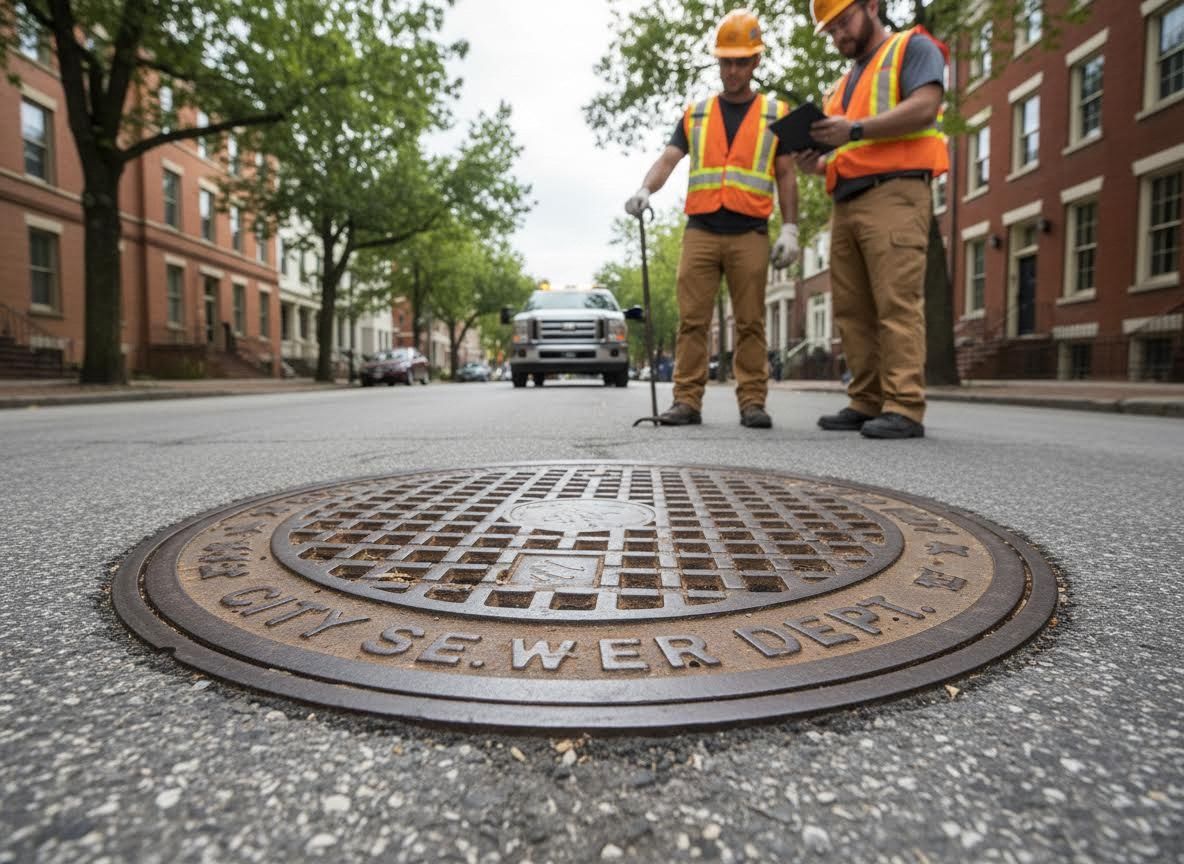
When we think of city infrastructure, the humble manhole cover often goes unnoticed, yet its weight bears a significant, often invisible, burden on the dedicated city workers who maintain our essential utilities. At SuperCover, we understand that these heavy iron structures, while robust, present considerable ergonomic challenges. This post explores the overlooked physical and operational costs associated with traditional heavy manhole covers and highlights the importance of safer alternatives for our workforce.
The Immediate Physical Strain
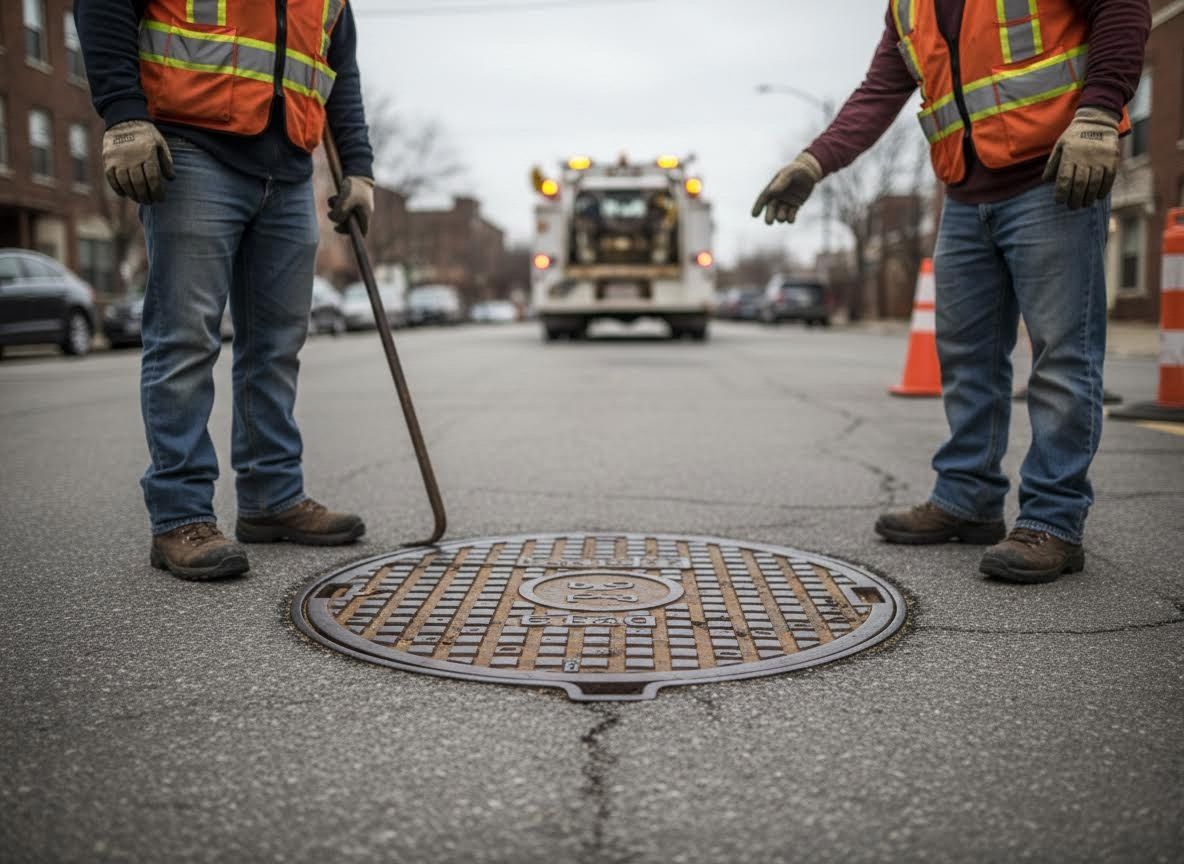
The most apparent cost of heavy iron manhole covers is the direct physical toll they exact on workers. Regularly lifting and maneuvering these substantial cast-iron structures, which can weigh over 250 pounds, places immense strain on the back, shoulders, and knees. This repetitive heavy lifting is a leading cause of musculoskeletal injuries, including sprains, strains, herniated discs, and chronic joint pain. These immediate injuries not only cause suffering for the individual but also lead to lost workdays, increased workers' compensation claims, and the need for costly medical treatments and rehabilitation. The physical demands of simply accessing underground infrastructure are far higher than many realize.
Long-Term Health and Productivity Impacts
Beyond the acute injuries, the cumulative effect of handling heavy sewer covers over a career can lead to long-term degenerative conditions. Chronic back pain, arthritis, and nerve damage can become persistent issues, severely impacting a worker's quality of life and potentially forcing early retirement or a change in career. This ergonomic burden also contributes to worker fatigue, which can reduce alertness and increase the risk of other job-related accidents. The constant physical exertion drains energy, making workers less productive throughout their shifts and over the course of their careers, ultimately affecting the overall efficiency of maintenance teams responsible for crucial city services.
Operational Inefficiencies and Safety Risks
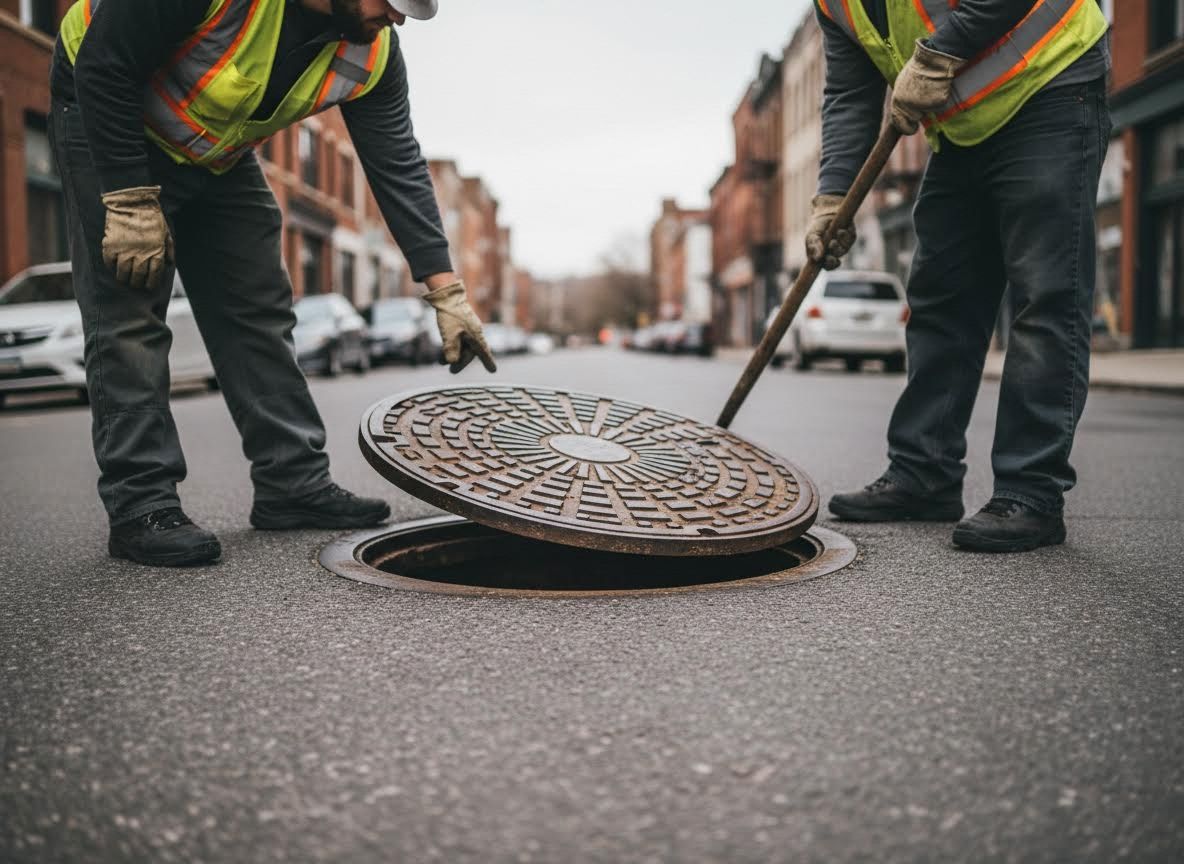
The sheer weight of traditional manhole covers doesn't just impact worker health; it also creates significant operational inefficiencies and safety hazards. Removing a heavy cover often requires multiple workers or specialized equipment, slowing down inspection and repair processes. This delay can be critical during emergencies, such as a sanitary sewer overflow, where rapid access is essential to prevent environmental contamination and public health risks. Furthermore, the difficulty of moving these covers increases the risk of dropping them, potentially injuring workers or damaging surrounding property. The challenge of quickly and safely accessing underground systems means that even routine maintenance takes longer and requires more resources than it should.
A Smarter Approach to Infrastructure Access
Recognizing these challenges, the industry has seen a shift towards innovative solutions that prioritize both worker safety and operational efficiency. Modern materials and designs offer a compelling alternative to traditional iron. Lightweight composite manhole covers, for instance, provide comparable strength and durability to iron but at a fraction of the weight, making them significantly easier and safer for a single worker to handle. This not only reduces the risk of injury but also speeds up maintenance tasks, allowing teams to respond more effectively to issues and complete work more efficiently. Embracing these advanced options is a step towards a safer, more productive future for infrastructure maintenance.
The ergonomic and operational burdens of traditional manhole covers are clear, impacting worker health, efficiency, and safety, especially when rapid access is needed to prevent issues like sanitary sewer overflow. Investing in modern solutions like lightweight composite manhole covers not only protects our workforce from injury but also streamlines critical maintenance operations. To learn more about how advanced SuperCover solutions are transforming urban infrastructure, contact us today.