
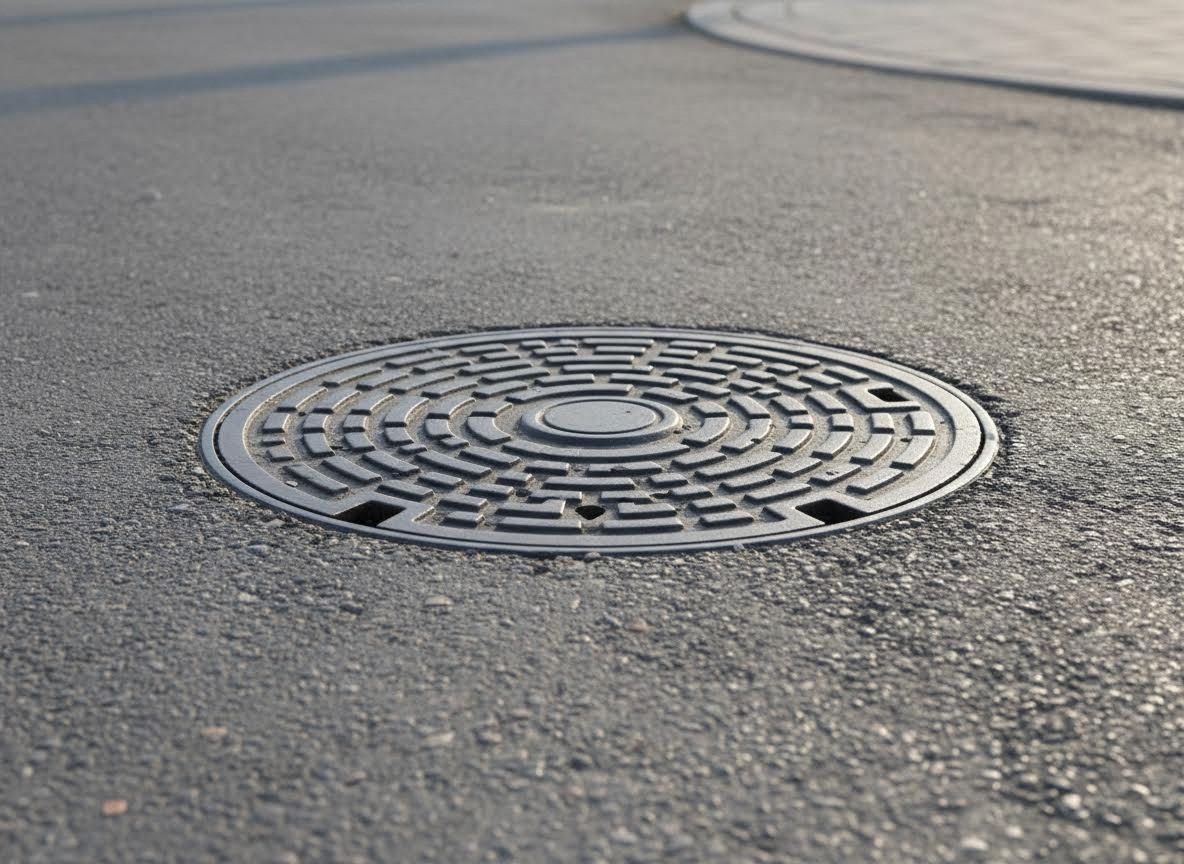
In the world of heavy-duty infrastructure, ensuring safety and longevity is paramount. One critical standard that contractors and engineers must navigate is the HS-25 traffic rating, a benchmark designed to guarantee that components can withstand the rigorous demands of modern roadways. This standard is particularly vital for underground utility access points, where failure can lead to significant disruptions and safety hazards. Understanding this rating is crucial for selecting appropriate materials and designs that will perform reliably for decades, a commitment SuperCover shares in delivering quality solutions.
What Defines an HS-25 Traffic Rating?
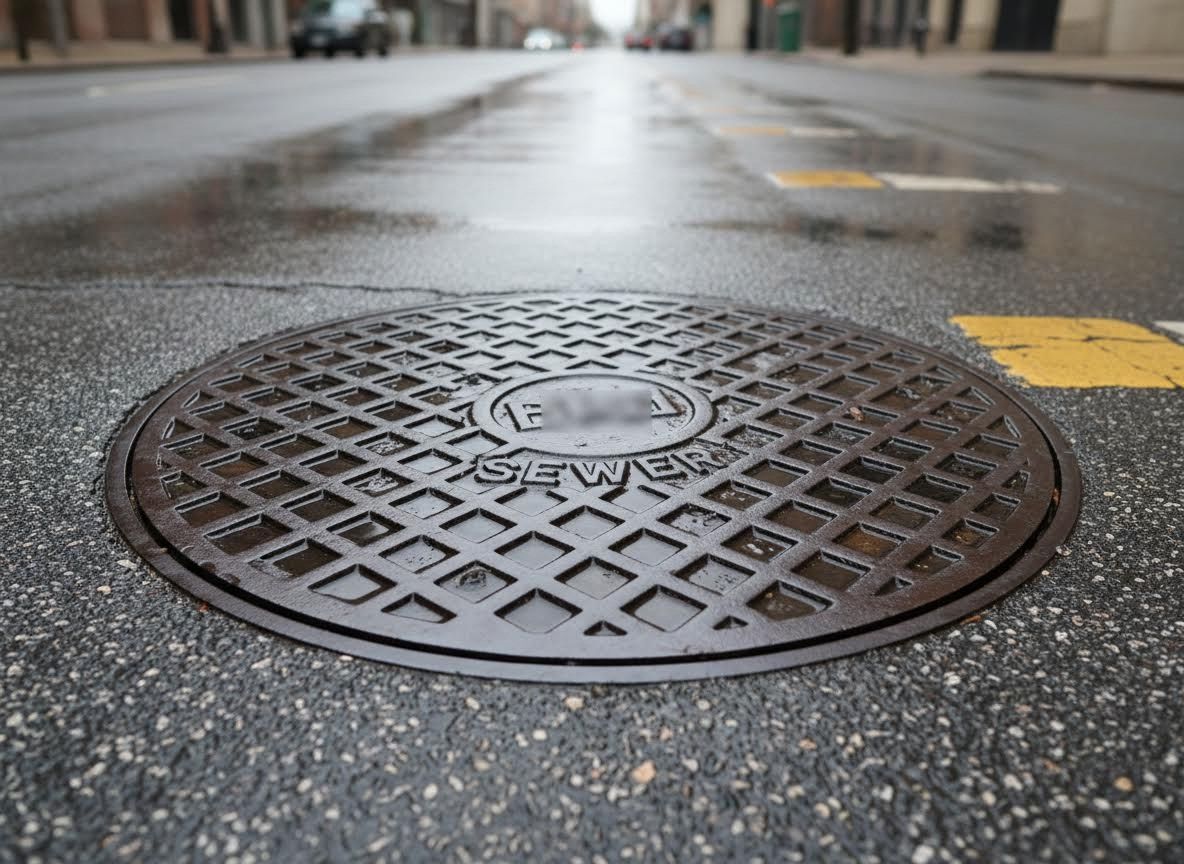
The HS-25 rating refers to a specific load classification established by the American Association of State Highway and Transportation Officials (AASHTO). It signifies that a structure, such as a frame and cover assembly, is engineered to withstand a static wheel load of 16,000 pounds (or 16 kips) and a dynamic wheel load of 40,000 pounds (or 40 kips), representing a 32,000-pound axle load with a 25% impact factor. This standard is designed to accommodate the heaviest legal loads on US highways, ensuring that infrastructure components like sewer covers can endure the constant pounding of large trucks and heavy vehicles without compromise. Beyond just static weight, it accounts for the dynamic forces and impacts that occur as vehicles traverse these points, providing a robust measure of durability.
The Criticality of Material Selection for HS-25 Compliance
Achieving HS-25 compliance is not solely about design; it heavily relies on the materials used in manufacturing. Traditionally, cast iron has been the go-to material, but advancements in material science have introduced alternatives like composite manhole covers that offer superior performance characteristics under these demanding loads. These innovative materials are engineered to provide exceptional strength-to-weight ratios, corrosion resistance, and often a longer service life. For contractors, selecting products made from materials proven to meet or exceed HS-25 standards is essential for project success, ensuring structural integrity and reducing the need for costly future replacements.
Mitigating Risk and Ensuring Longevity with HS-25 Solutions
The implications of failing to adhere to HS-25 standards can be severe, ranging from premature product failure and costly repairs to significant safety risks for the public. When infrastructure components, especially those in critical areas like busy roadways, do not meet the specified load ratings, they are prone to cracking, breaking, and displacement. This can lead to road damage, traffic delays, and potentially dangerous situations. By prioritizing HS-25 compliant materials and designs, contractors and municipalities can effectively mitigate these risks, ensuring the longevity and reliability of their heavy-duty infrastructure. Moreover, using robust, certified components is a proactive step in preventing issues such as sanitary sewer overflow solution breakdowns, safeguarding public health and environmental quality.

The HS-25 traffic rating is more than just a number; it's a fundamental requirement for building durable, safe, and long-lasting heavy-duty infrastructure. Understanding and adhering to this standard is crucial for contractors aiming to deliver projects that withstand the test of time and traffic. By carefully selecting materials like advanced composite manhole covers, professionals can ensure their installations meet the highest demands. SuperCover is dedicated to providing superior solutions that meet these stringent industry standards, helping you build with confidence. For more insights into robust infrastructure solutions and compliance standards, contact our team today.