
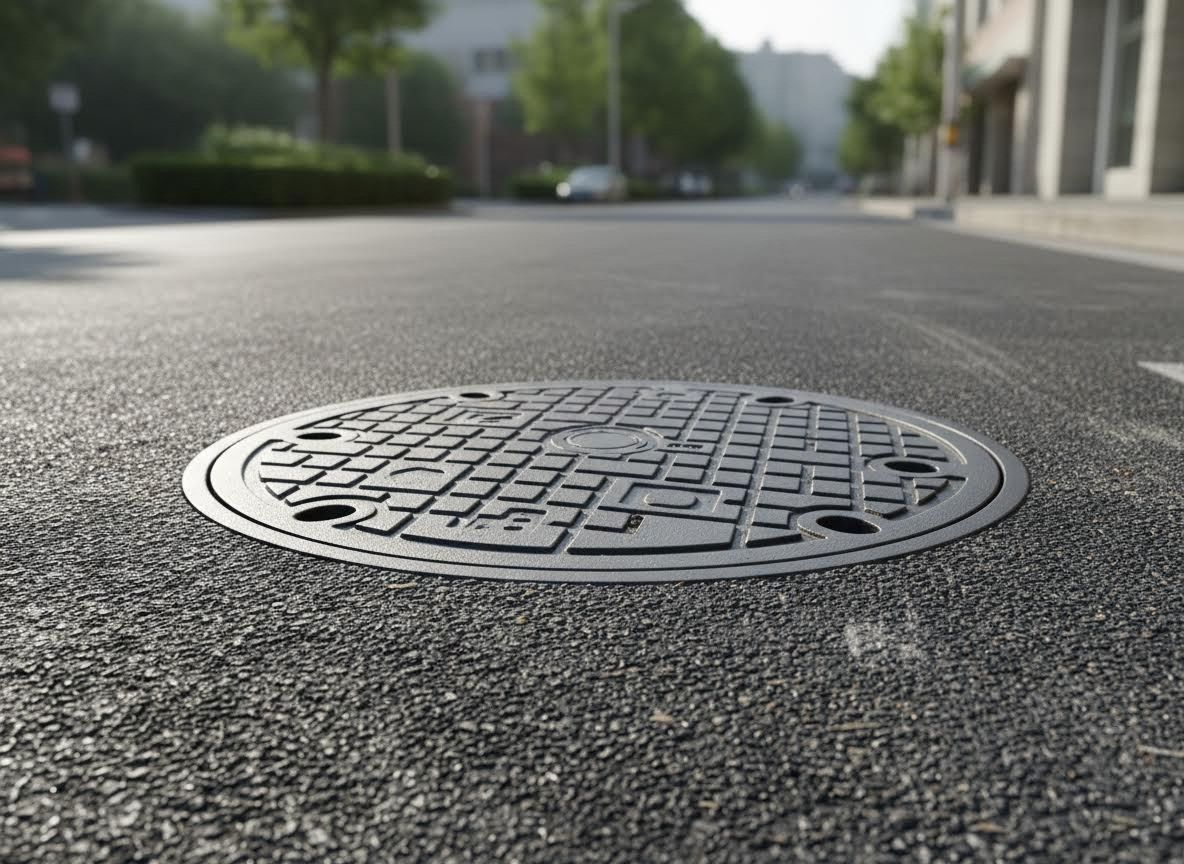
In the demanding world of civil infrastructure, durability is paramount, especially for components buried underground and exposed to harsh conditions. One of the most insidious threats to traditional infrastructure materials, particularly those in wastewater systems, is corrosion caused by hydrogen sulfide gas. This pervasive issue can lead to premature failure, costly replacements, and potential safety hazards. Fortunately, innovations in material science, championed by companies like SuperCover, have introduced superior alternatives that stand up to these challenges, ensuring long-term performance and reliability where it matters most.
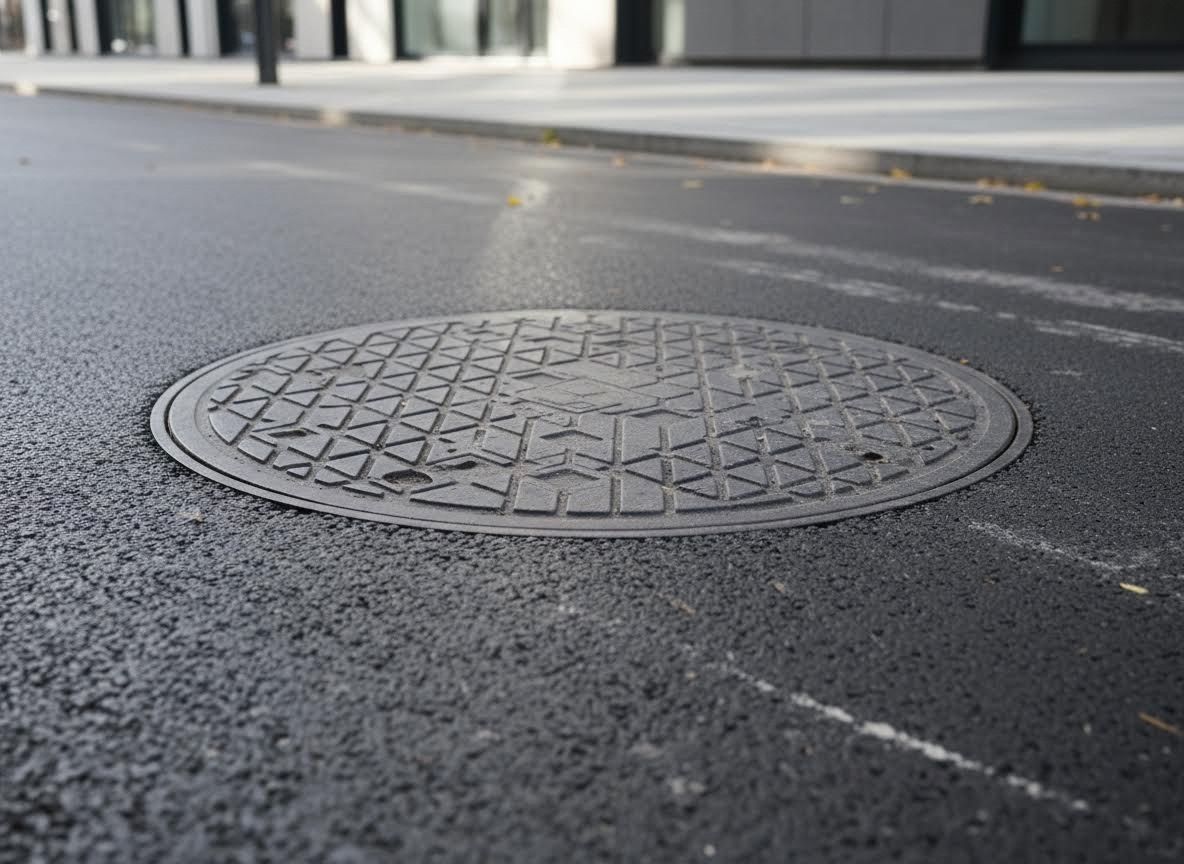
The Corrosive Threat of Hydrogen Sulfide
Hydrogen sulfide (H2S) gas is a common byproduct of anaerobic decomposition in municipal sewer systems, generated by bacteria breaking down organic matter in the absence of oxygen. This colorless gas is not only highly toxic and odorous but also incredibly corrosive when it comes into contact with moisture and certain materials. When H2S dissolves in water, it forms sulfuric acid, a potent corrosive agent. Traditional materials like cast iron or ductile iron, commonly used for sewer covers, are highly susceptible to this acidic attack, leading to rust, material loss, and structural weakening over time. This degradation compromises the integrity of critical infrastructure, increasing maintenance burdens and the risk of system failures.
The Resilience of Composite Materials
Unlike their metallic counterparts, composite manhole covers are engineered from a combination of different materials, typically a polymer resin reinforced with fibers such as fiberglass. This unique construction provides a formidable barrier against chemical degradation. The polymer matrix, often made from unsaturated polyester, vinyl ester, or epoxy resins, is inherently resistant to a wide array of chemicals, including sulfuric acid. The reinforcing fibers provide exceptional strength and structural integrity, ensuring that the cover can withstand heavy loads and impacts without compromising its chemical resistance. This synergistic combination results in a product that not only lasts longer but also maintains its aesthetic and functional properties in aggressive environments.
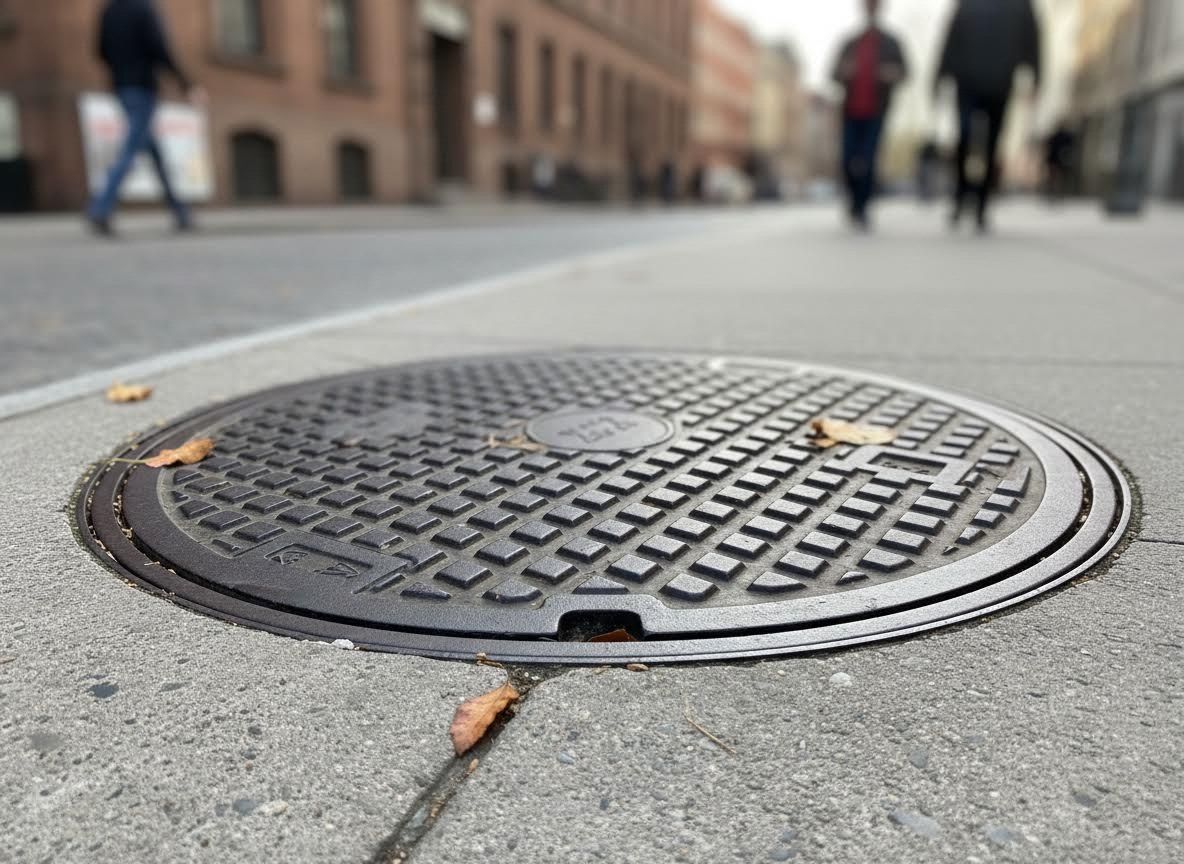
How Composites Defy H2S Corrosion
The key to the exceptional corrosion resistance of composite manhole covers lies in their non-metallic nature. When hydrogen sulfide gas forms sulfuric acid in the presence of moisture, there are no metallic components for the acid to react with and oxidize, unlike with iron or steel. The polymer resins used in these composite materials are largely inert to chemical attack from acids, alkalis, and salts typically found in sewer environments. This means the material does not rust, pit, or flake away. By choosing a material that does not chemically react with the corrosive elements of the sewer atmosphere, composite manhole covers offer a robust solution that preserves the structural integrity of the access point indefinitely, significantly reducing the need for premature replacements and contributing to a sustainable sanitary sewer overflow solution.
Beyond Corrosion: Enhanced Performance and Safety
The benefits of composite manhole covers extend well beyond their superior resistance to hydrogen sulfide corrosion. Their lightweight nature compared to iron covers makes them safer and easier for maintenance crews to handle, reducing the risk of injuries during installation and routine inspections. Additionally, the non-conductive properties of composites eliminate electrical hazards, while their inherent material composition can prevent theft, as they hold no scrap value. Many designs also incorporate advanced locking mechanisms and anti-slip surfaces, further enhancing both site security and pedestrian safety. These combined advantages underscore why composite manhole covers are increasingly becoming the preferred choice for modern infrastructure projects.
The relentless challenge of hydrogen sulfide corrosion in wastewater systems demands innovative and durable solutions. By understanding the chemical inertness and robust structural properties of composite materials, it becomes clear why composite manhole covers offer a superior alternative to traditional metallic options. SuperCover is dedicated to providing high-performance infrastructure components that ensure long-term reliability and safety. To explore how advanced materials can enhance your infrastructure projects, we invite you to learn more by contacting us today.